Advancing, Together with PALACOS® R+G
For more than 50 years PALACOS® R+G has been synonymous with unique product quality to provide patients with better outcomes.
PALACOS® R+G relies on a wide range of people working together to achieve success, including:
- forerunners in material development
- first users and pioneers in arthroplasty
- those who produce and optimize PALACOS® R+G day in, day out
- healthcare professionals who use PALACOS® R+G for the benefit of their patients.
PALACOS® R+G is our success story that we can all be proud of.
Thank you for decades of trusted collaboration for best patient outcomes.
Who are the People Behind PALACOS® R+G?
For the 50th anniversary in 2022, they share their stories about their experiences with the product.
Dr. Matthew Dietz, Orthopedic Surgeon and Associate Professor
“What makes PALACOS® R+G so special is the consistency and reliability. In the operating room, it seems like every day there’s something different. To have something be there that you can trust and rely on in each case, I think is really important for the excellent outcomes for the patient.”
Dr. Dietz works as an Orthopedic Surgeon and Associate Professor at West Virginia University specializing in hip and knee replacements and complicated revisions with research interest in implant associated infections.
A Journey Through Time with PALACOS® R+G
1901 – It all Starts with ‘Organic Glass’
The chemist Otto Röhm lays the foundation for the manufacture of the new plastic polymethyl methacrylate, or PMMA, with his dissertation entitled ‘Polymerisation products from acrylic acid’ (original: „Über Polymerisationsprodukte der Acrylsäure“). Röhm calls it ‘organic glass’ – today, it is better known as plexiglass.
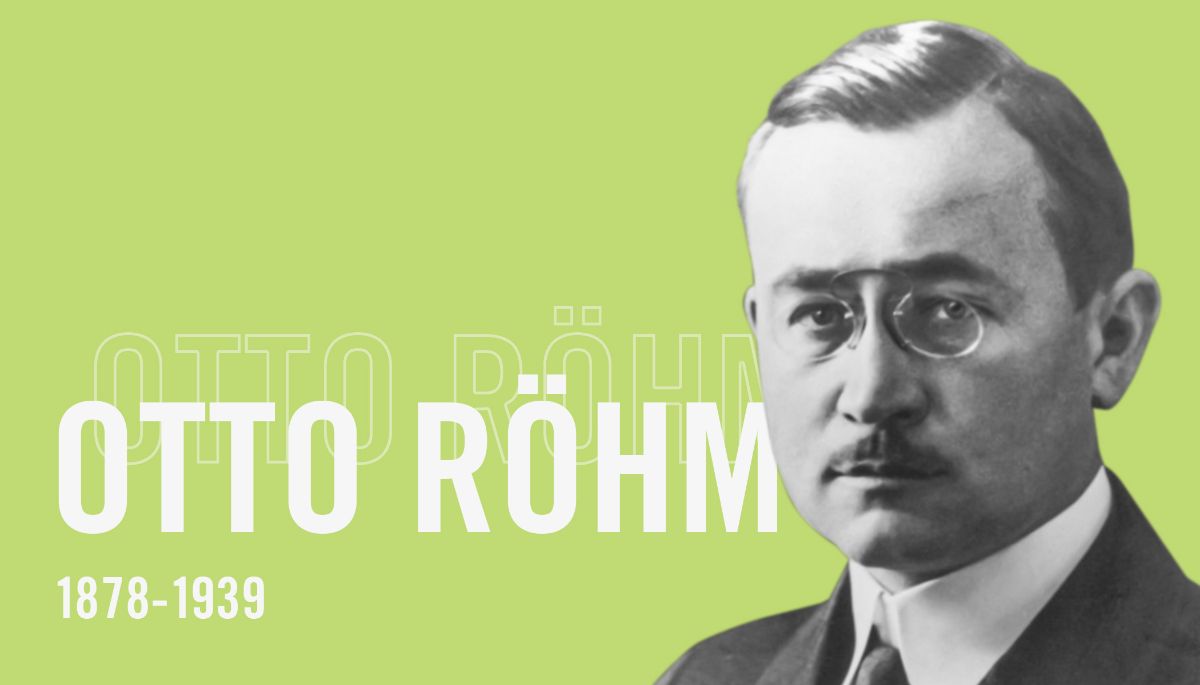
1928 – Industrial-scale Manufacture by Röhm & Haas
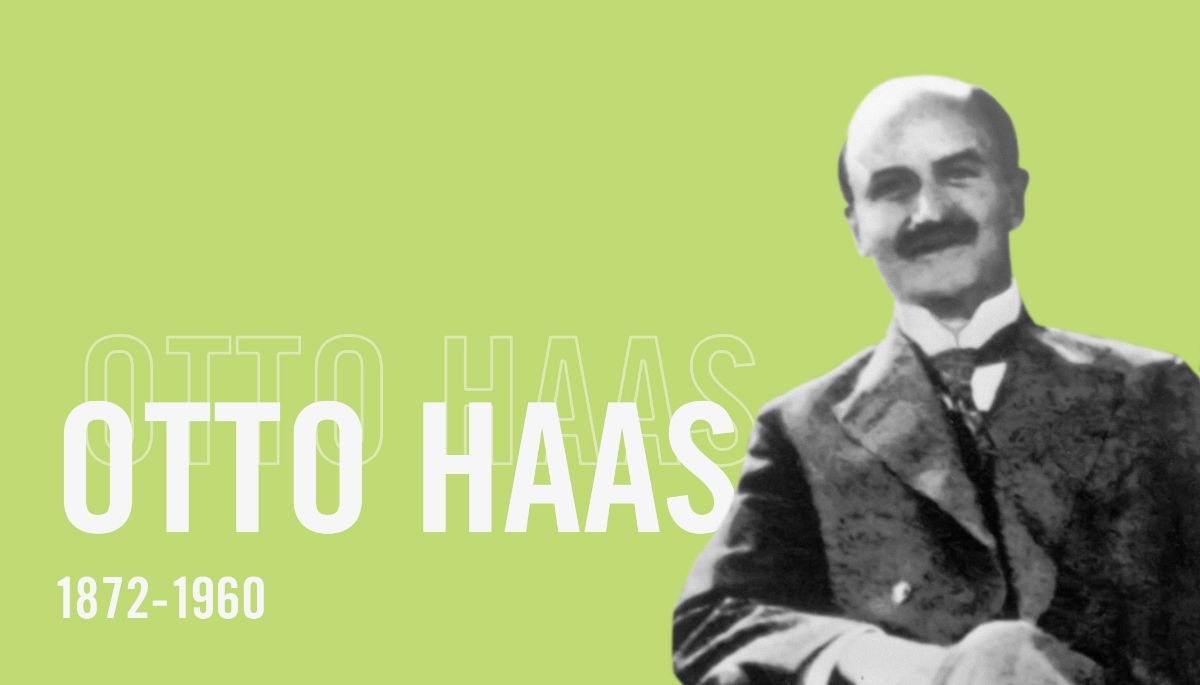
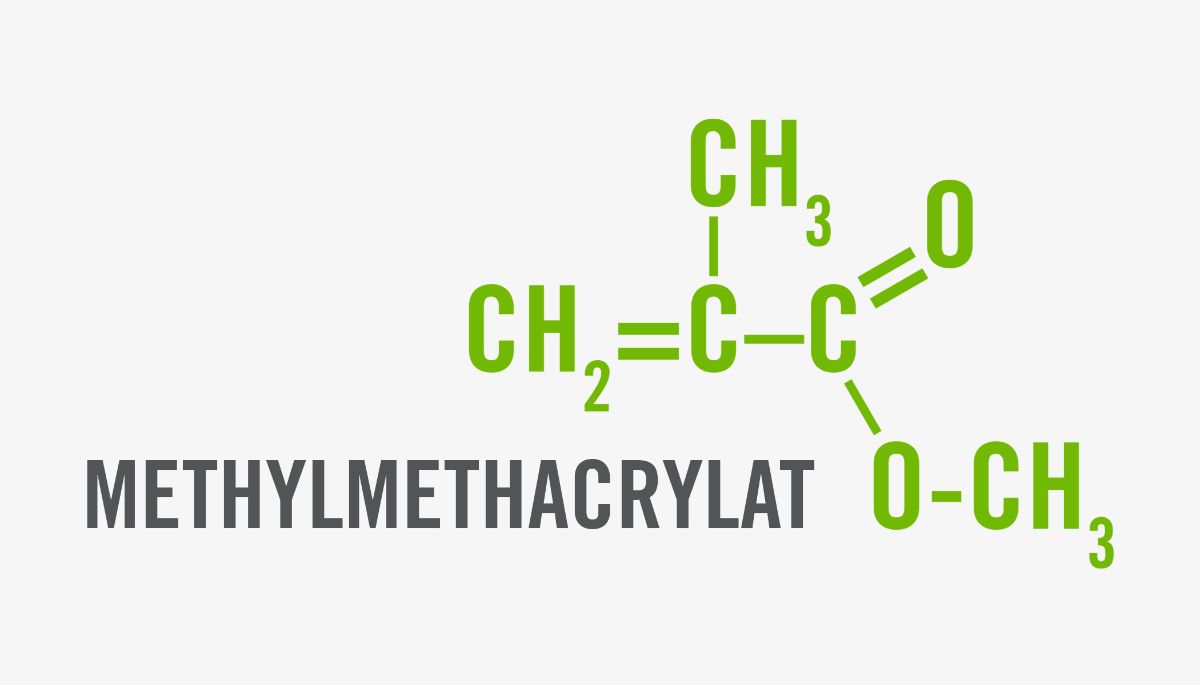
Otto Röhm and Otto Haas make refinements to the acrylate at their research lab and develop a method for synthesising methyl methacrylate (MMA) on an industrial scale.
1935 – First Artificial Dental Prosthesis with MMA
Walter Bauer, head of the Röhm & Haas research lab, patents the process for manufacturing dental prostheses using methyl methacrylate (MMA). At the same time, the lab continues to work on further application areas.
1936 – Heraeus (Kulzer) Patents Heat Curing Moulding Compound
Heraeus (Kulzer) discovers that mixing ground PMMA cement powder and monomer liquid creates a pasty compound, which sets when heated to 100°C with benzoyl peroxide (BPO). This process is known as ‘heat curing’.
1941 – PMMA Used in Plastic Surgery for the First Time
Kleinschmitt uses pre-formed and pre-cured PMMA plates of the heat-curing polymer PALADON® 65 for the first time to repair cranial defects.